


Supporting Northern Manitoba Communities as They Prepare for What’s Next
There’s a lot of attention on Northern Manitoba right now, and it’s easy to see why.
There are plans for new transportation connections, conversations about critical minerals and Arctic trade, investment in arts, culture, new housing, and growing interest in what all of it could mean for Manitoba, Canada and, most importantly, the communities that call the North home.
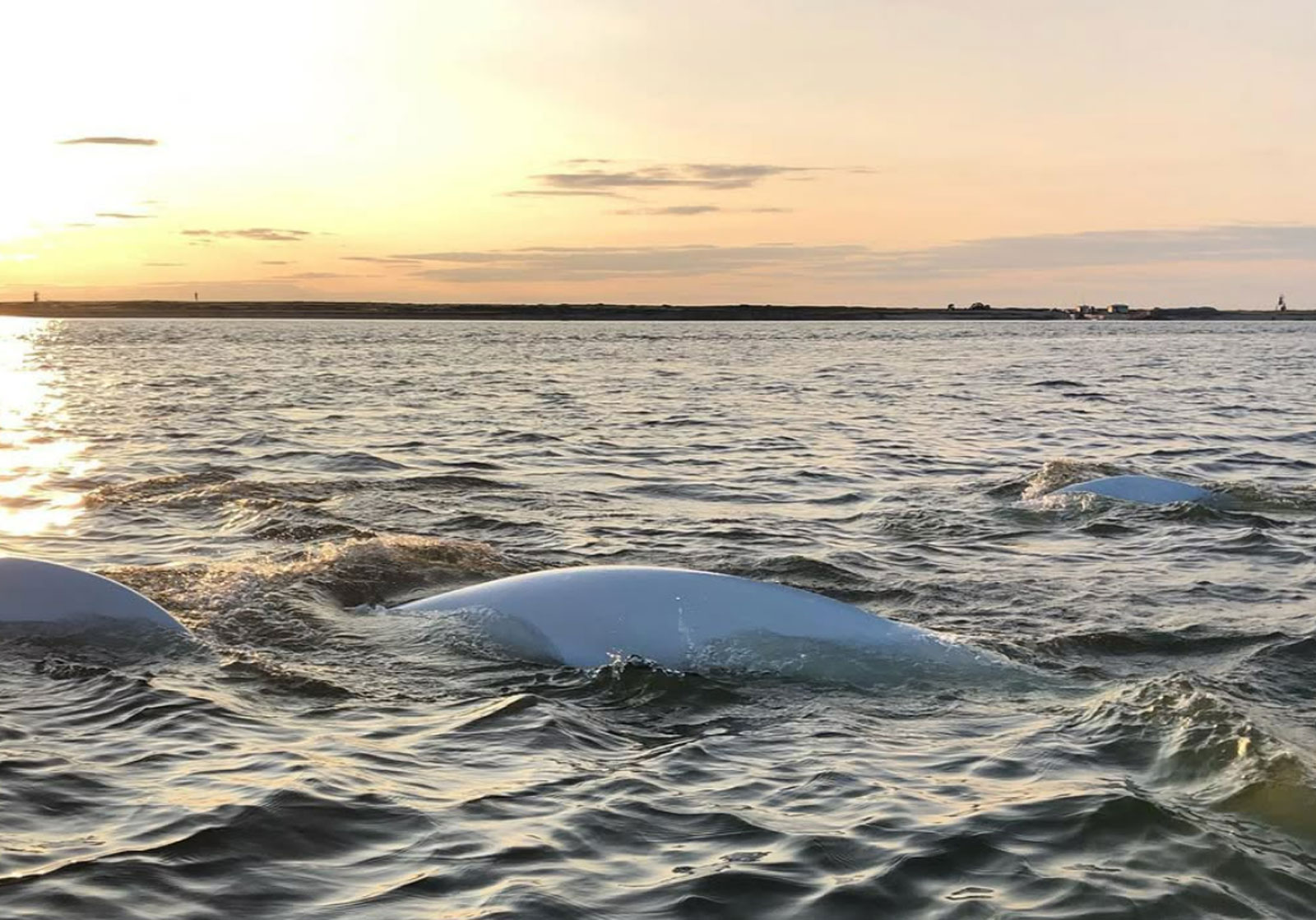
These are big stories, and they deserve attention. But context matters. The story doesn’t begin here, and these new opportunities do not define the North.
Long before today’s investments and announcements, people across Northern Manitoba were building businesses, making art, stewarding land and water, strengthening relationships between communities, and finding their own ways to solve challenges and embrace the possibilities of living here.
We see it in the ImagiNorthern Network, connecting northern artists through new technologies and shared resources to reach broader markets and audiences. We see it in the renewed momentum around the Port of Churchill, where 41 Indigenous and Northern communities have come together through OneNorth to strengthen local participation in critical infrastructure and create new opportunities for industry and trade. And we see it in the conversations about a National Marine Conservation Area, where environmental stewardship and the protection of sensitive marine environments remain important considerations.
These aren’t all the same story, and that’s part of the point.
There is no single Northern Manitoba. Thompson is not Churchill. No two Nations or communities will have exactly the same priorities. Geography changes, capacity changes, and so do the things people want and need from the places they call home.
More eyes will likely turn north in the years ahead. There will be stories about what is invested here, developed here, transported through here, and built here. Those stories matter, but so do the stories that have been unfolding all along.
The artists and entrepreneurs. The local leaders and knowledge holders. The communities building partnerships across enormous distances. The people who understand what makes their home work, what makes it complicated, what makes it worth protecting, and what they hope will be possible there for generations to come.
The future of Northern Manitoba is already being imagined by the people who know it best. Our role is to listen, work alongside communities, and help turn local ideas, knowledge, and ambition into plans, partnerships, and projects that make those possibilities real.
Because perhaps the most interesting thing about looking north isn’t wondering what’s coming next. It’s paying attention to what’s already here.
Who We Are
At Urban Systems, our network brings together planners, engineers, engagement specialists, landscape architects, environmental professionals, economists, and technical experts who work alongside communities, Indigenous Nations, governments, and organizations. We bring experience from different disciplines and places to the table. But working in a place also means understanding what you don’t know.
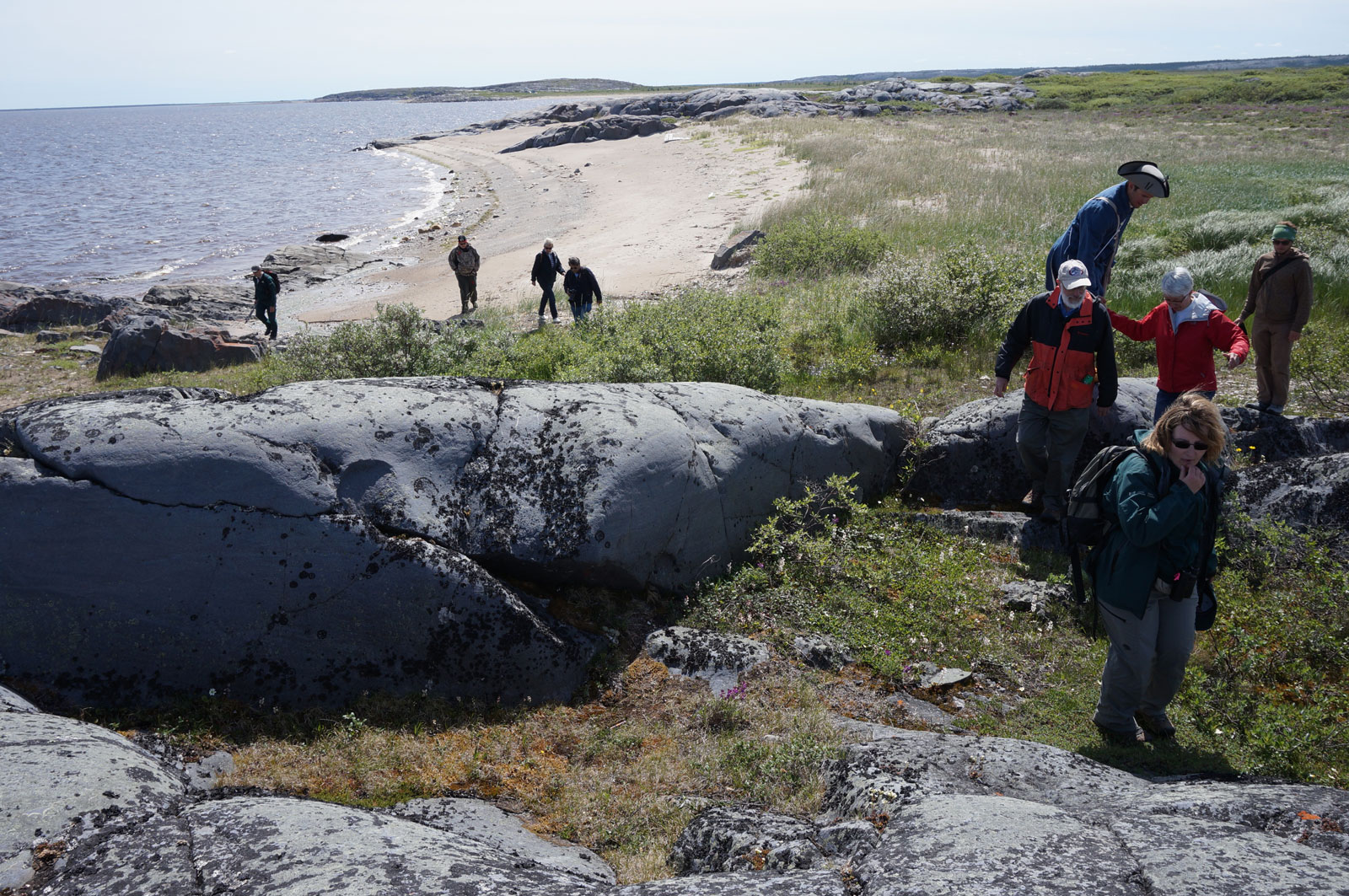
A drawing can’t tell you which gathering place matters to a community, or why. A dataset can’t explain the history behind a decision or the relationships that have shaped it. And a technically sound solution can still miss something important about the place where it is meant to live. That knowledge comes from people, so we start there.
Because a new road is never just a road, and a new industry is never just jobs. Change moves through a community, touching systems, relationships and everyday life in ways that don’t always show up in the first drawing.
Projects are rarely one and done. More often, they’re one step within a broader vision, shaped by work that came before and creating opportunities for what comes next. We think about this in terms of generative impact: not only what a project delivers today, but what it makes possible tomorrow.
That means understanding the bigger picture and recognizing that our contribution may be just one part of a much longer story.
How We Approach the Work
We don’t arrive with a predetermined outcome or a scope of work already in mind. We start by listening, learning what matters to each community, and understanding what success would look like from their perspective.
From there, we work together to identify the right next steps and how we can best contribute. Sometimes that means leading a planning or design process. Other times, it means providing technical support, helping navigate a particular challenge, or connecting people with the right resources and relationships.
Our role may look different every time, and that’s intentional. The goal isn’t to define the work before understanding the need. It’s to be useful in a way that supports each community’s priorities and ability to move forward. Trust is what makes that kind of working relationship possible.
The work itself can take many forms.
A community might be exploring its future, considering how land could be used, where growth makes sense or how to turn long-held priorities into action. That could involve land-use planning, community visioning, development plans or zoning, and practical frameworks for implementation.
Other times, it’s imagining what a campground, trail, waterfront or public space could become. Or working through the engineering, infrastructure, land development and financial considerations needed to understand what’s feasible and how a project might take shape over time.
Across all of this, engagement and visual communications play an important role. Collaborative workshops, conversations, surveys and illustrations help make complex ideas easier to share, discuss and shape together.
The disciplines and tools may change from one project to another, but the starting point remains the same: understanding what matters locally and finding practical ways to support it.
Starting a Conversation
Sometimes the ambition is there, but questions about funding, capacity, feasibility or where to begin can make the next step difficult to see.
It doesn’t always start with a defined project. A community might have a long-held ambition, a complicated challenge, or simply a question about what could be possible. Those are conversations worth having, too.
We can help explore options, understand constraints, connect people with useful resources and identify what might make sense as a next step. Sometimes that leads to a larger planning or design process. Sometimes it’s a smaller piece of work that helps a community make an informed decision or pursue funding.
And sometimes, one conversation opens the door to another opportunity entirely.