

White Tower Pond Protects Charman Creek in Gibsons
White Tower Pond is a stormwater detention pond built within White Tower Park in Gibsons, BC, as part of the Town's Integrated Stormwater Master Plan implementation. Completed in 2024, the pond slows stormwater and reduces peak flows, providing steadier base flows to Charman Creek, a major stormwater artery in the Town. The project improved the resiliency of the Town's stormwater infrastructure while creating a naturalized park space for nearby residents, with accessible paths, native plantings, and benches added alongside the civil upgrades. The work is part of an ongoing relationship with the Town: Urban Systems completed Phase 1 of the Charman Creek Restoration Project and is now working on Phase 2.

How Accessibility is Embedded in Our Public Spaces

Burnaby 2050: Official Community Plan
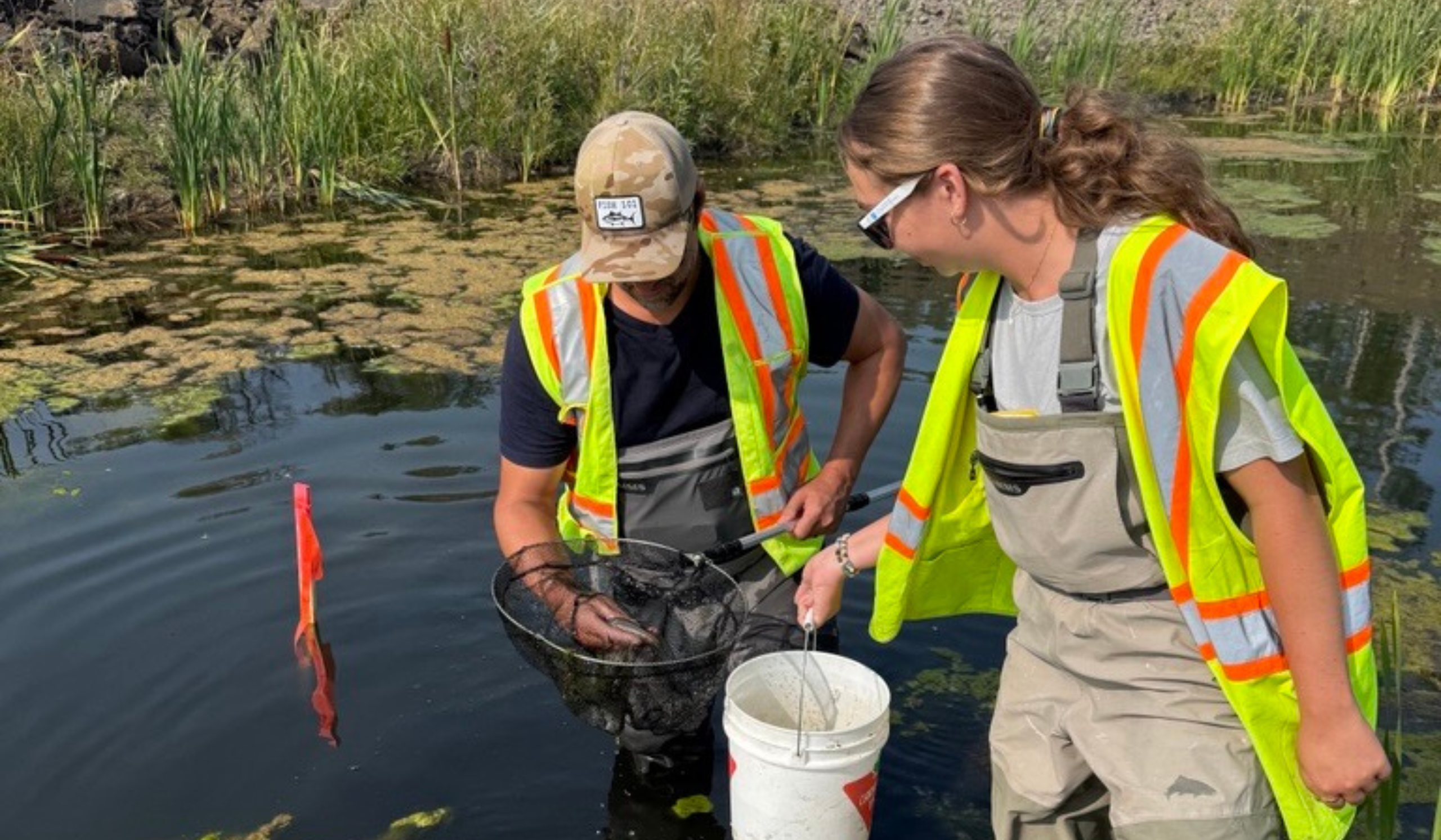
Pouce Coupé Riverbank Stabilization
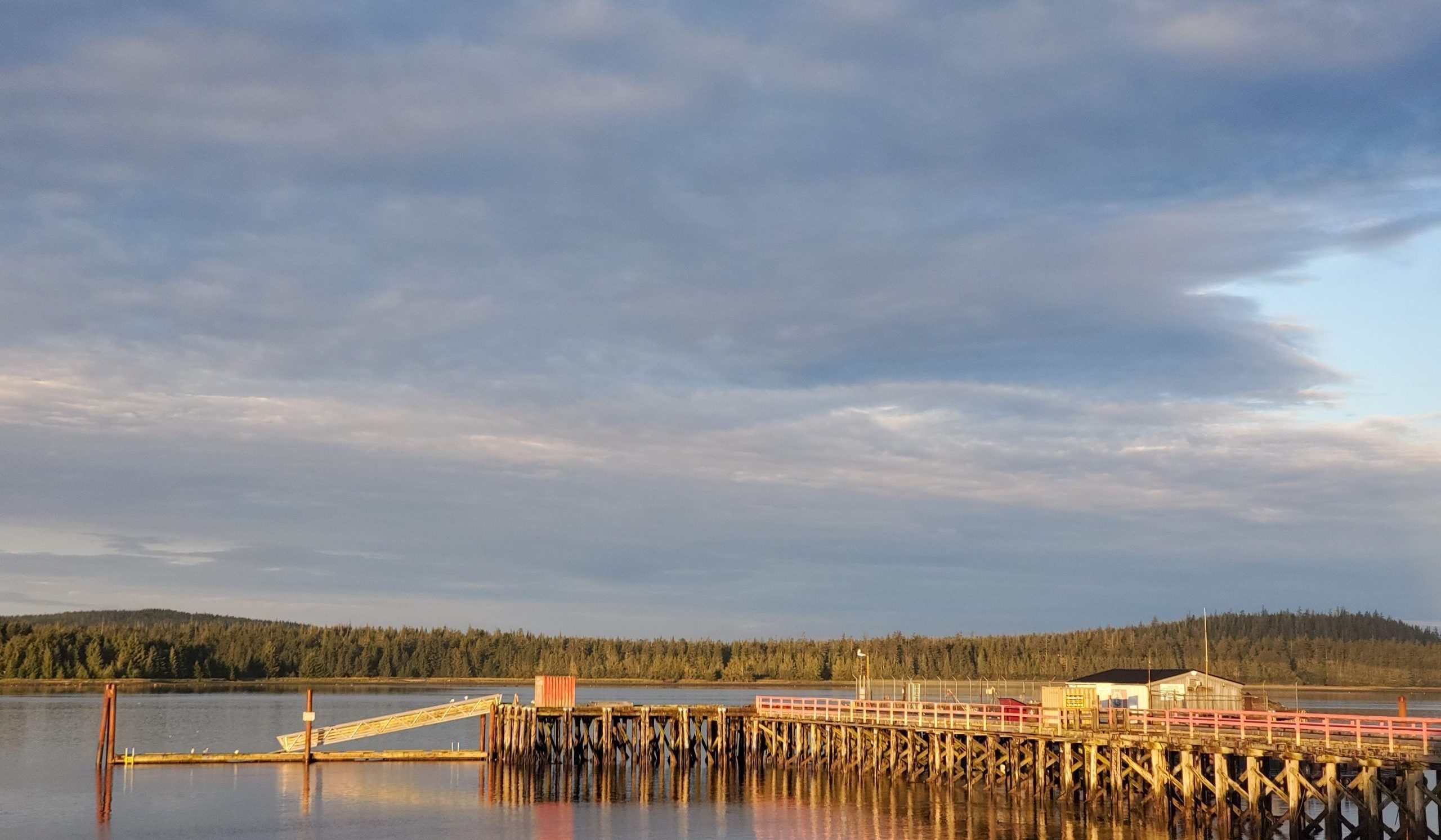
World Town Planning Day: A New Chapter for Masset—Haida Gwaii’s Hidden Gem
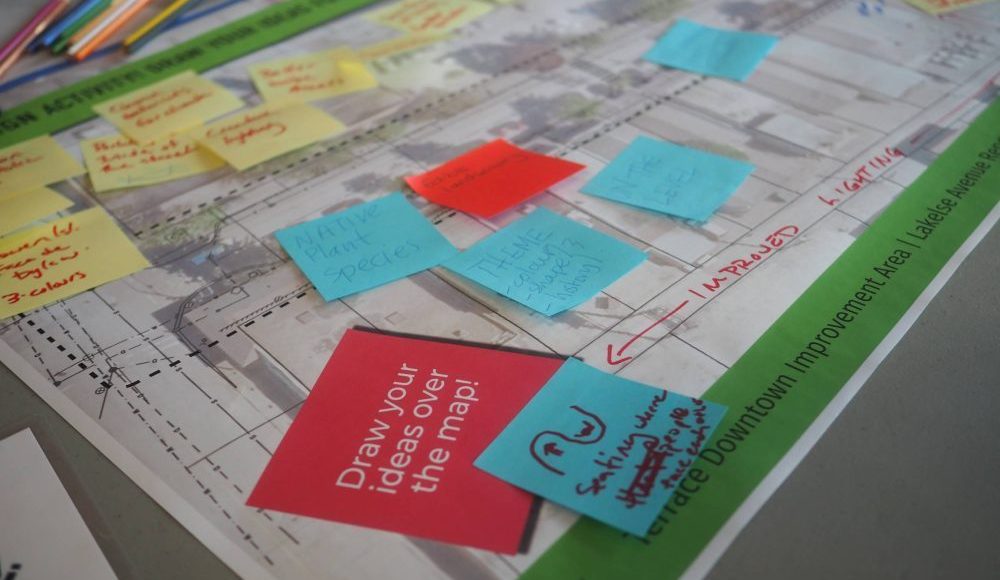
Stop, Collaborate, and Listen: A Community’s Vision for Revitalizing Downtown Terrace

How to drive technological change—with just one simple app

No need to compromise on cost, time or quality: Urban Systems & StoryMaps

How Urban Systems used one simple tool to transform public engagement
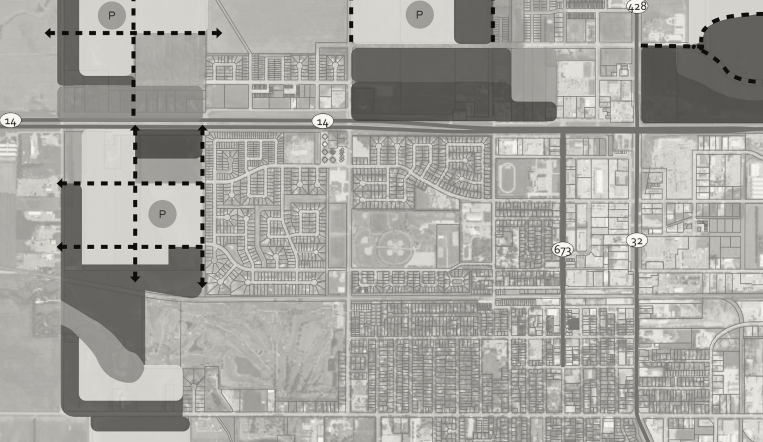
Building Back Better
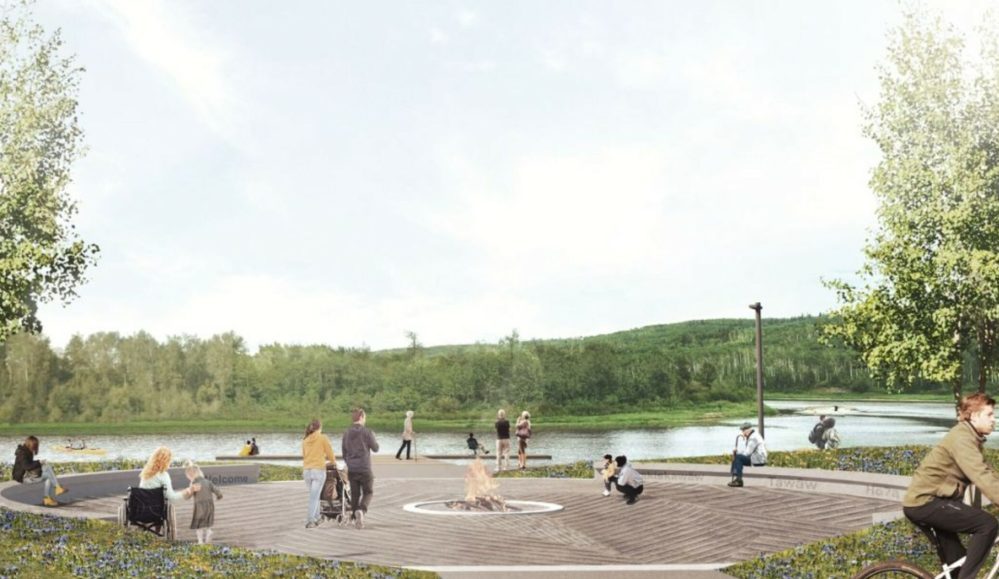
Strengthening Community and Honoring History

Planning in the Parkland
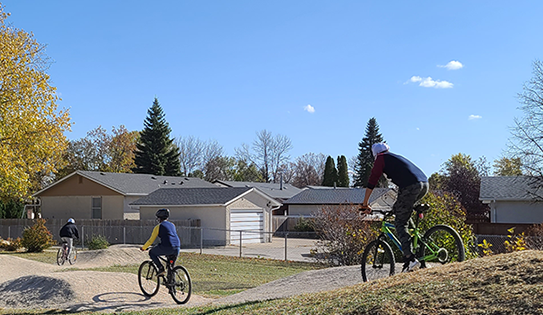
A Community on Two Wheels
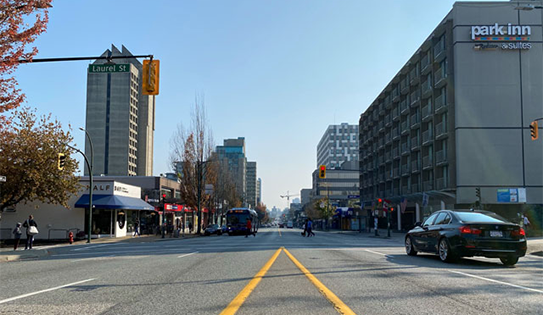
The Broadway Subway Project
Calgary’s Water Practice: Collaborating to Provide Innovative Solutions
Planning for Gold

Community Engagement Through COVID-19
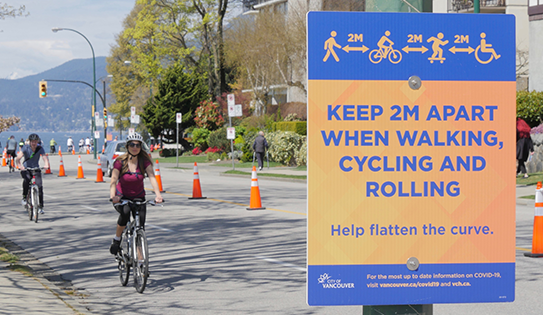
Continuing Our Work Through COVID-19
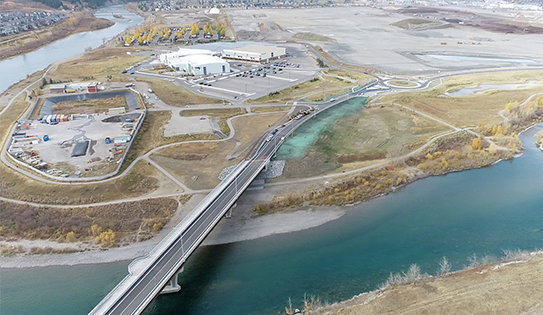
Cochrane’s Jack Tennant Bridge Earns a CEA Award of Merit
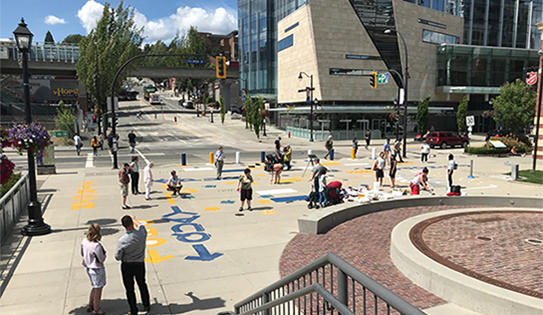
Getting Projects Off Paper and Onto the Street
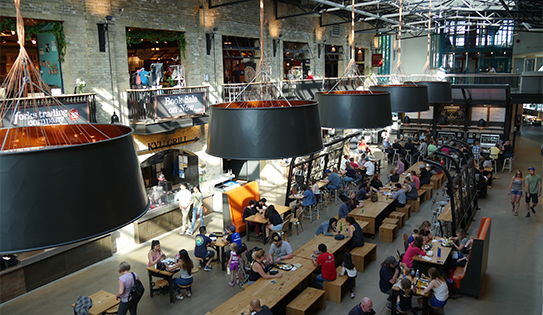
Helping Winnipeg Prepare to Reach One Million in Population